
The key question when understanding how your gut microbiome works isn’t whether bacteria are present. It’s how they interact with each other and with you.
Inside your digestive tract lives a vast community of microorganisms, including bacteria, viruses, fungi, and other microbes, collectively known as your gut microbiome. These organisms aren’t just passive passengers. They actively participate in digestion, immune regulation, and even communication with your brain. In many ways, your gut functions like an ecosystem, where balance matters more than eliminating microbes.
Over the past two decades, research has shifted how we think about gut bacteria. Instead of viewing them as germs to control, scientists now understand that many are essential partners in maintaining health.
What the Gut Microbiome Actually Is
The gut microbiome refers to the trillions of microorganisms living primarily in your large intestine. Each person’s microbiome is unique, shaped by genetics, birth method, early feeding, diet, environment, medications, and lifestyle. No two microbiomes are exactly alike.
These microbes coexist in a dynamic balance. Some help break down fiber that your body cannot digest on its own. Others produce vitamins such as vitamin K and certain B vitamins. Many produce short-chain fatty acids, compounds that nourish the cells lining your colon and help regulate inflammation.
When this ecosystem is diverse and stable, it tends to function efficiently. When diversity decreases, or harmful strains outnumber beneficial ones, a state sometimes called dysbiosis, the system becomes less resilient. That imbalance has been linked in research to digestive disorders, metabolic conditions, and immune disruptions.
Explore What Happens During Digestion From Start to Finish for more on digestive processes.
How the Microbiome Affects Digestion
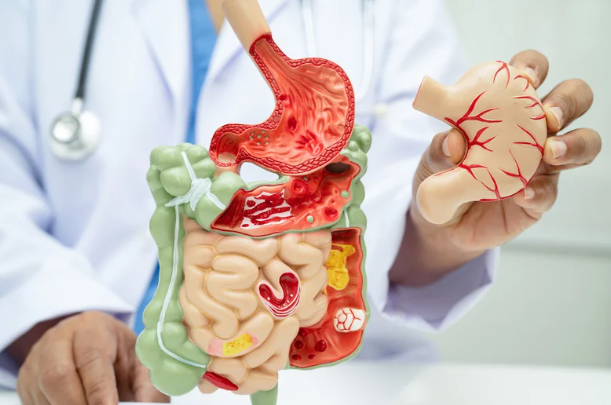
Digestion doesn’t stop in your stomach or small intestine. By the time food reaches your colon, microbes take over much of the remaining breakdown process. They ferment dietary fiber and resistant starches, transforming them into useful byproducts your body can absorb.
Short-chain fatty acids produced during fermentation play a key role. They support the intestinal lining, help regulate inflammation, and may help regulate blood sugar. Without sufficient fiber intake, these beneficial processes decline because microbes lack the raw materials they need.
The microbiome also helps regulate gut motility, which refers to how quickly food moves through the digestive tract. Certain bacteria interact with nerves in the intestinal wall, influencing the rhythm and coordination of the gut. This is one reason changes in gut bacteria are often associated with bloating, constipation, or diarrhea.
Read The Role of Fiber in Long-Term Health for more on fiber and gut bacteria.
The Gut-Brain Connection
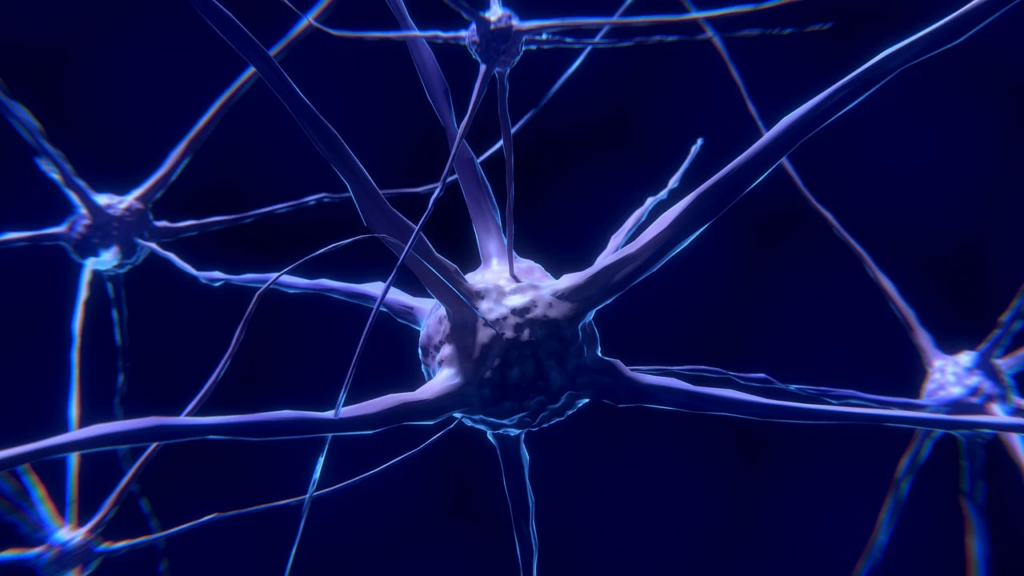
One of the most intriguing discoveries in microbiome science is the gut-brain axis—a two-way communication network between the digestive system and the brain. This connection involves the vagus nerve, immune signaling, and microbial byproducts that circulate through the bloodstream.
Some gut bacteria produce neurotransmitter-related compounds, including precursors to serotonin and dopamine. While most serotonin is produced in the gut rather than the brain, its presence affects intestinal motility and may indirectly influence overall mood regulation.
Research suggests that disruptions in the microbiome may correlate with anxiety, depression, and stress-related symptoms. However, correlation does not mean direct causation. The relationship is complex and bidirectional: stress can alter gut bacteria, and changes in the gut may influence stress responses.
See The Science Behind Metabolism for more on nutrient conversion into energy.
What Science Says About Supporting Your Microbiome
The most consistent evidence supports dietary diversity as a cornerstone of microbiome health. Diets rich in fruits, vegetables, legumes, whole grains, nuts, and seeds provide the fiber and plant compounds microbes rely on. Greater dietary variety often correlates with greater microbial diversity.
Fermented foods such as yogurt, kefir, kimchi, and sauerkraut contain live microorganisms that may temporarily contribute beneficial strains. While these foods can support gut health, they do not permanently “repopulate” the microbiome as marketing sometimes suggests.
Probiotic supplements show mixed results in research. Certain strains may help specific conditions, but benefits are strain-specific and not universal. Broad claims about probiotics improving overall health often oversimplify complex biology.
Equally important is avoiding unnecessary disruption. Overuse of antibiotics, highly processed diets low in fiber, chronic stress, and poor sleep can negatively affect microbial balance. Supporting your microbiome is less about adding a miracle product and more about creating consistent conditions that allow beneficial microbes to thrive.
Browse Do Probiotics Really Work? for more on probiotics and gut health.
Why Balance Matters More Than Perfection
It’s tempting to think of the microbiome as something to optimize endlessly. In reality, it’s a living system that adapts continually. Short-term changes in diet or routine can shift microbial populations, but resilience, not perfection, is what matters most.
A healthy microbiome doesn’t require extreme diets or constant supplementation. It requires stability, variety, and time. The goal is not to eliminate bacteria but to cultivate a balanced ecosystem that supports digestion, immune regulation, and communication with the rest of your body.
Understanding how your gut microbiome really works shifts the focus from trendy fixes to foundational habits. When you support the ecosystem, the ecosystem supports you.