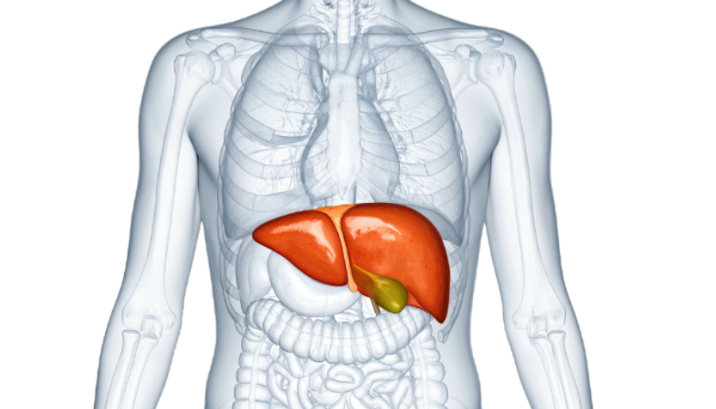
Your liver is one of the most metabolically active organs you have. It filters blood coming from the digestive tract, processes nutrients, produces bile, stores vitamins, and neutralizes potentially harmful substances.
The word “detox” appears everywhere, from juice cleanses to supplement ads. But detoxification is not a trendy reset you turn on for a week. It is a continuous, highly coordinated biological process that happens every minute inside your body. And at the center of that process is your liver. Rather than flushing toxins out in dramatic sweeps, it transforms them in carefully regulated steps.
What Counts as a “Toxin”?
In biological terms, a toxin is any substance that can cause harm if it accumulates. This includes alcohol, certain medications, environmental chemicals, metabolic waste products, and even byproducts your own cells produce during normal function.
Not all toxins come from outside your body. Every day, metabolism generates compounds like ammonia that must be converted into safer forms. Hormones also need to be broken down once they’ve done their job. Detoxification is not just about pollutants; it’s about routine maintenance.
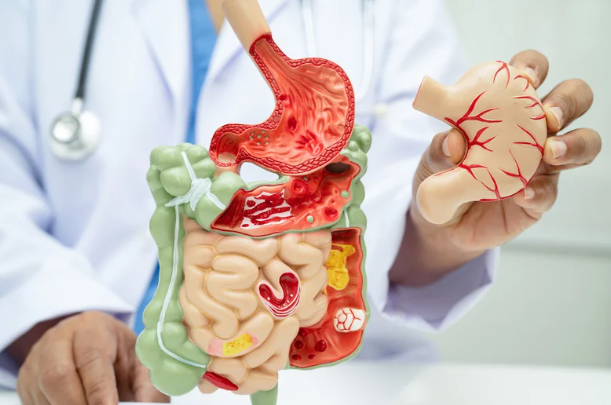
Your liver acts as a chemical processing center. Blood from your digestive system flows directly to it through the portal vein, allowing the liver to screen substances before they circulate widely.
Explore What Happens During Digestion From Start to Finish for more on digestive processing.
Phase I: Modification
Liver detoxification happens in two major stages, commonly referred to as Phase I and Phase II. In Phase I, specialized enzymes, primarily from the cytochrome P450 family, chemically modify substances.
This stage often makes compounds more reactive. That may sound counterintuitive, but it prepares them for the next step. Think of Phase I as loosening the molecular structure so it can be further processed.
Some intermediate products created in Phase I can temporarily be more toxic than the original substance. This is why a balance between Phase I and Phase II is important. If Phase II cannot keep up, reactive compounds may linger longer than intended.
Read The Truth About Detox Diets for a closer look at detox claims.
Phase II: Conjugation and Neutralization
In Phase II, the liver attaches specific molecules, such as glutathione, sulfate, or amino acids, to the modified compound. This process is called conjugation. The attachment makes the substance water-soluble.
Water solubility is critical. Once a compound is water-soluble, it can be excreted through bile into the digestive tract or filtered by the kidneys and eliminated in urine.
Glutathione, often called the body’s master antioxidant, plays a central role here. It helps neutralize reactive molecules and protects liver cells from oxidative stress during detoxification.
See What Causes Acid Reflux? for more on digestive system irritation.
The Role of Bile and the Kidneys
The liver does not work alone. After processing substances, it relies on other systems to complete elimination. Bile carries certain waste products into the intestines, where they are excreted in stool.
The kidneys filter water-soluble compounds from the bloodstream and eliminate them in urine. Adequate hydration supports this filtration process. The lungs also contribute by expelling carbon dioxide, a metabolic waste product.
Together, these organs form an integrated elimination system. No single juice, supplement, or short-term cleanse can replace this ongoing coordination.
Browse Do Multivitamins Actually Help? for related context on nutrient support.
What Actually Supports Liver Function
The liver is remarkably resilient, but it depends on consistent support rather than extreme interventions. Adequate protein intake provides the amino acids required for Phase II conjugation. Antioxidant-rich foods help reduce oxidative stress during detoxification.
Chronic excessive alcohol intake, certain medications, and metabolic conditions such as fatty liver disease can strain liver function over time. Sleep, balanced nutrition, and regular physical activity help maintain metabolic efficiency.
Importantly, the liver does not need to be “flushed.” It needs stable conditions. Severe calorie restriction or aggressive detox regimens can actually increase stress on the body rather than enhance liver performance.
Understanding how your liver processes toxins shifts the conversation from marketing claims to physiology. Detoxification is not an event; it is a continuous system of transformation and elimination. When your liver functions properly, it quietly converts potentially harmful substances into forms your body can safely remove.
Your job is not to force detoxification. It is to avoid overwhelming the system and to support the natural processes already in place.