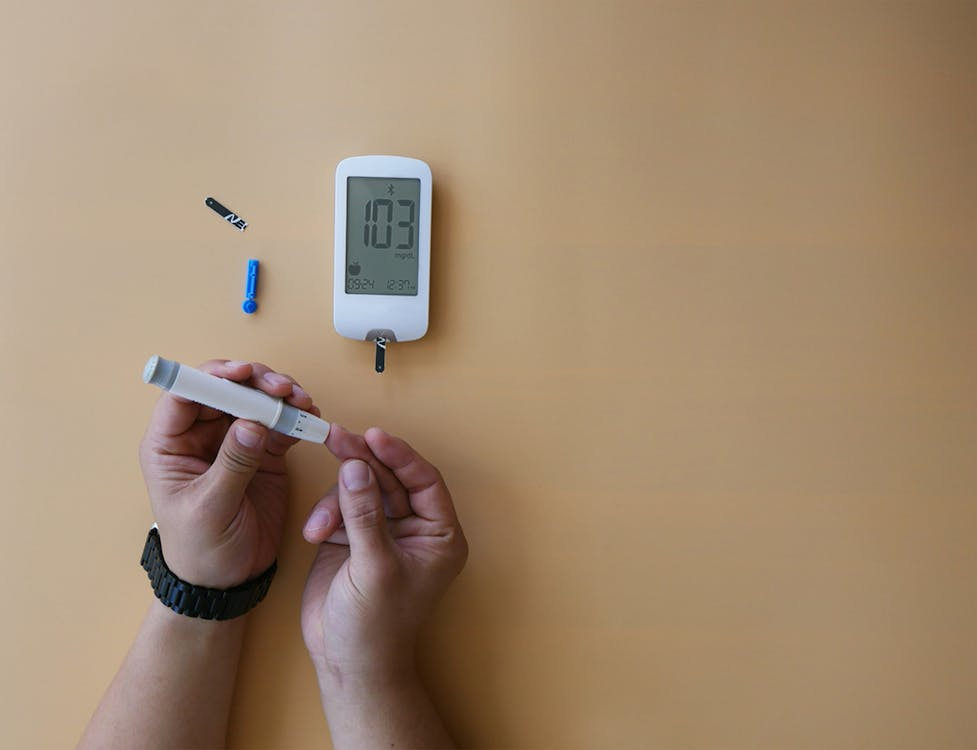
When this system functions properly, blood sugar stays within a narrow range. When it doesn’t, problems begin to develop quietly over time.
Every time you eat carbohydrates, your body begins a carefully coordinated process to manage blood sugar. Glucose enters your bloodstream, providing fuel for cells. But glucose cannot simply drift into cells on its own. It requires a signal. That signal comes from insulin.
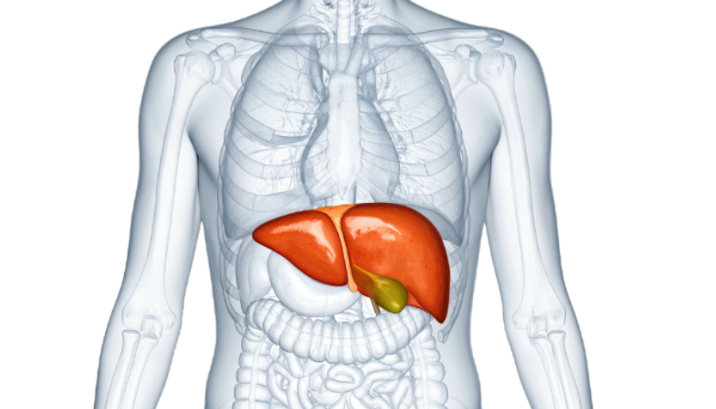
Insulin is a hormone produced by the pancreas. Its primary role is to regulate the amount of glucose in the bloodstream and the amount that enters cells for energy or storage.
What Happens After You Eat
When you consume carbohydrates, whether from fruit, bread, or rice, they are broken down into glucose during digestion, and glucose then enters the bloodstream, raising blood sugar levels.
Specialized cells in the pancreas called beta cells detect this increase. In response, they release insulin into the bloodstream. Insulin acts like a key, binding to receptors on muscle, fat, and liver cells.
Once insulin attaches to its receptor, it signals the cell to open glucose transport channels. Glucose moves from the bloodstream into the cell, where it can be used immediately for energy or stored for later use.
Explore What Happens When You Cut Out Sugar to see how sugar affects blood glucose.
Insulin as a Storage Signal
Insulin does more than lower blood sugar. It also promotes storage. In muscle and liver cells, insulin stimulates glycogen synthesis, a process that stores glucose. In fat tissue, it encourages the storage of excess energy as fat.
This storage function is not harmful by design. It is adaptive. When food is plentiful, storing energy ensures survival during times of scarcity. The issue arises when energy intake consistently exceeds energy use over long periods.
Insulin also signals the liver to reduce its own glucose production. The liver naturally releases glucose between meals to maintain stable blood sugar. When insulin levels rise after eating, the release slows.
What Is Insulin Resistance?
Insulin resistance develops when cells become less responsive to insulin’s signal. The pancreas compensates by producing more insulin to achieve the same effect. For a time, this keeps blood sugar within a normal range.
Over months or years, however, persistently elevated insulin levels may no longer be enough. Blood sugar begins to rise. This pattern is often seen in prediabetes and type 2 diabetes.
Several factors contribute to insulin resistance, including excess body fat, particularly around the abdomen; physical inactivity; genetic predisposition; chronic stress; and disrupted sleep. Inflammation may also impair insulin signaling.
Learn What Is Insulin Resistance for insights into how metabolic resistance develops.
Why Blood Sugar Stability Matters
Stable blood sugar levels support consistent energy levels and reduce strain on the pancreas. Large spikes and crashes can cause fatigue, irritability, and increased hunger.
Over time, chronically elevated blood sugar can damage blood vessels and nerves. This is why managing glucose levels is central to preventing long-term complications associated with diabetes.
Importantly, insulin resistance does not develop overnight. It is a gradual process influenced by lifestyle patterns and genetic factors. Early intervention, through movement, balanced nutrition, and, when appropriate, weight management, can improve insulin sensitivity.
Read What Is Metabolic Syndrome to see how blood sugar affects broader metabolic health.
Supporting Healthy Insulin Function
Physical activity is one of the most effective ways to improve insulin sensitivity. When muscles contract during exercise, they can absorb glucose independently of insulin. Regular movement reduces the workload on the pancreas.
Nutrition also matters. Diets that emphasize fiber-rich foods, whole grains, lean protein, and healthy fats help moderate blood sugar fluctuations. Highly processed carbohydrates can lead to sharper spikes in glucose and insulin.
Sleep and stress management are often overlooked. Chronic sleep deprivation and elevated stress hormones such as cortisol can impair insulin function and increase blood sugar levels.
Understanding the role of insulin in blood sugar reframes it from a villain to a regulator. Insulin’s purpose is to balance, keeping glucose available while keeping it under control. When the system works well, it operates quietly and efficiently. When it becomes strained, the signs may take years to appear.
Blood sugar control is not about eliminating carbohydrates. It is about maintaining a system where insulin can do its job effectively, moving glucose into cells, supporting energy production, and preserving long-term metabolic health.
See The Science Behind Metabolism for additional context on how the body regulates energy.