Digestion is not a single event that happens in your stomach. It is a coordinated journey that begins before you take your first bite and continues long after you swallow.
From mechanical breakdown to chemical transformation to nutrient absorption, your body works step by step to convert food into usable energy and building blocks.
This process is efficient, automatic, and continuous. When it runs smoothly, you barely notice it. When something goes wrong, however, symptoms like bloating, reflux, or discomfort quickly draw attention to just how complex digestion really is.
The Process Begins in the Mouth
Digestion starts with anticipation. The sight and smell of food trigger saliva production. Saliva contains enzymes, including amylase, which begins breaking down carbohydrates immediately.
Chewing is not just a formality. It mechanically breaks food into smaller pieces, increasing the surface area for enzymes to act on. The more thoroughly food is chewed, the easier the next stages become.
Once swallowed, food travels down the esophagus through coordinated muscle contractions called peristalsis. These wave-like movements push food toward the stomach, regardless of whether you are standing or lying down.
Explore How Your Gut Microbiome Really Works to understand the microbes involved in digestion.
The Stomach’s Role in Breakdown
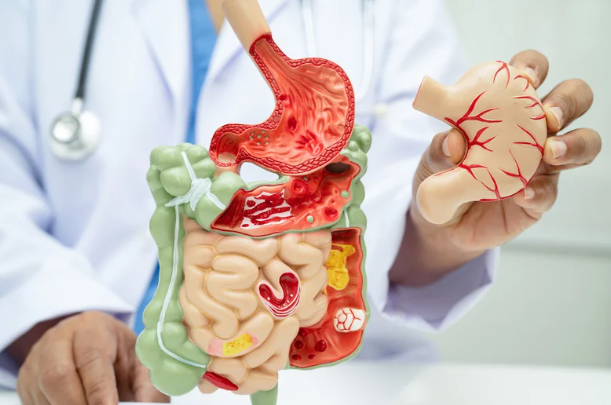
In the stomach, food encounters gastric acid and digestive enzymes. Hydrochloric acid creates an acidic environment that helps break down proteins and kill many harmful microorganisms.
An enzyme called pepsin begins protein digestion here. The stomach also mechanically churns food, mixing it with acid to form a semi-liquid substance called chyme.
Contrary to common belief, most nutrient absorption does not occur in the stomach. Its primary role is to break down and prepare. After several hours, chyme is released gradually into the small intestine.
Read What Causes Acid Reflux? for more on stomach acids.
The Small Intestine: Absorption Central
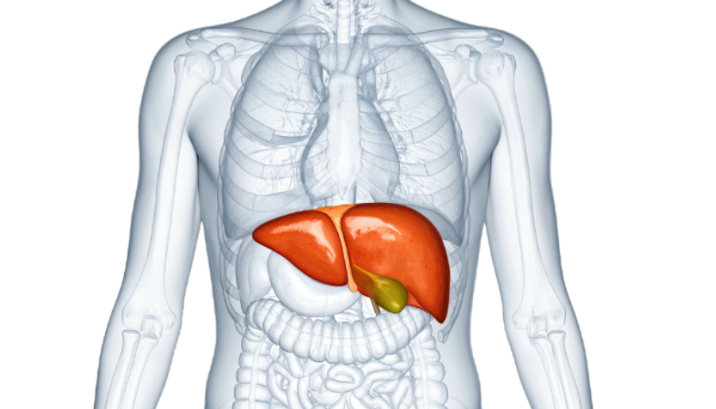
The small intestine is where most digestion and absorption occur. It receives digestive enzymes from the pancreas and bile from the liver and gallbladder.
Pancreatic enzymes break down carbohydrates, proteins, and fats into smaller molecules. Bile emulsifies fats, breaking them into tiny droplets that enzymes can process more easily.
The lining of the small intestine contains millions of tiny projections called villi and microvilli. These structures dramatically increase surface area, allowing nutrients to pass into the bloodstream efficiently. Glucose and amino acids enter the bloodstream, while fatty acids enter the lymphatic system before reaching the bloodstream.
See The Role of Fiber in Long-Term Health for more on digestion and nutrient absorption.
The Large Intestine and Water Balance
After nutrients are absorbed, the remaining material enters the large intestine, or colon. Here, water and electrolytes are reabsorbed, helping maintain fluid balance.
The large intestine also houses trillions of microbes, collectively known as the gut microbiome. These bacteria ferment certain fibers that were not digested earlier, producing short-chain fatty acids that support colon health.
Waste products gradually form into stool as water is removed. Coordinated muscle contractions move this material toward elimination.
Learn What Is Metabolic Syndrome? for insight into metabolism and nutrient processing.
Regulation and Coordination
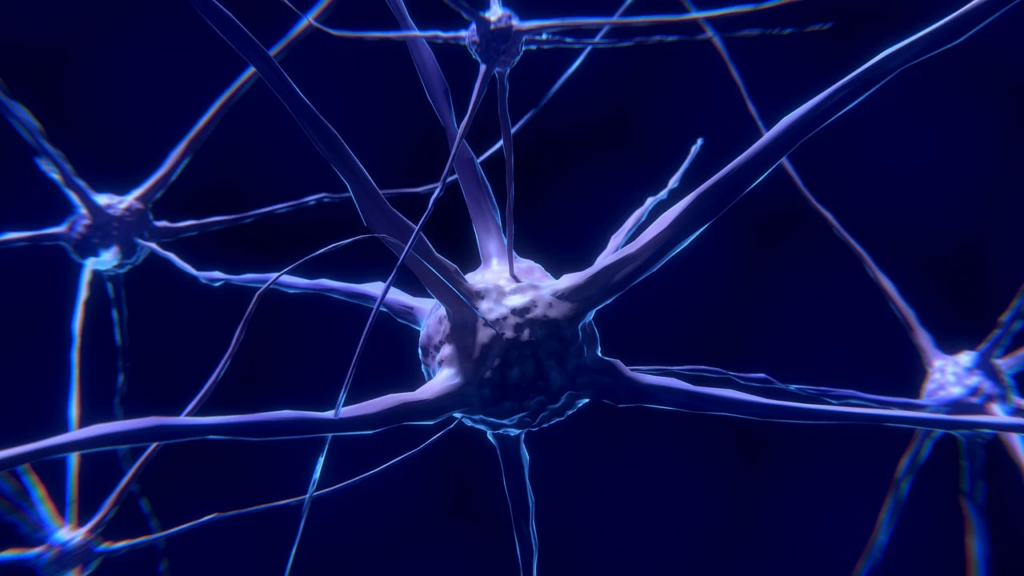
Both the nervous system and hormones control digestion. The enteric nervous system, often called the “second brain,” operates within the walls of the gastrointestinal tract, coordinating movement and secretion.
Hormones such as gastrin, secretin, and cholecystokinin signal when to release acid, bile, and enzymes. These signals ensure that each stage activates at the right time and in the right amount.
The entire process can take anywhere from 24 to 72 hours from ingestion to elimination, depending on diet, hydration, activity level, and individual physiology.
Understanding what happens during digestion from start to finish highlights how interconnected the system is. Each organ has a specific role, but none works in isolation. The mouth initiates breakdown, the stomach prepares and sterilizes, the small intestine absorbs, and the large intestine refines and eliminates.
Digestion is not just about food passing through. It is about transformation, turning complex meals into fuel, repairing tissues, and sustaining every cell in your body. When the system functions well, it operates quietly in the background. When disrupted, it reminds you just how much coordination is required to process something as simple as a meal.