
The problem is not stress itself. The problem is that the stress response stays activated long after the threat has passed.
Stress is not just a feeling. It is a full-body response designed to keep you safe. Long before you consciously process a threat, your brain has already triggered a cascade of physiological changes. Your heart rate rises, your breathing quickens, and your muscles tense. Energy is redirected.
This response, often called the “fight-or-flight” reaction, evolved to help humans survive immediate danger. In short bursts, it is protective and efficient.
The Fight-or-Flight Response Explained
When your brain perceives danger, whether it’s a near car accident or a stressful email, it activates the sympathetic nervous system. The hypothalamus signals the adrenal glands to release adrenaline (epinephrine) into the bloodstream.
Adrenaline acts quickly. It increases heart rate, elevates blood pressure, and opens airways, allowing more oxygen to reach your muscles. Blood flow shifts from digestion to skeletal muscles. Pupils dilate. Reaction time sharpens. Your body is preparing for immediate action.
This rapid response happens within seconds. It does not require careful reasoning. It is automatic and largely unconscious. In true emergencies, it can be lifesaving.
Read What Happens During a Panic Attack for a closer look at acute stress responses.
The Role of Cortisol
While adrenaline handles the immediate surge, cortisol sustains the stress response. Released slightly later by the adrenal glands, cortisol ensures that your body has enough energy to manage the situation.
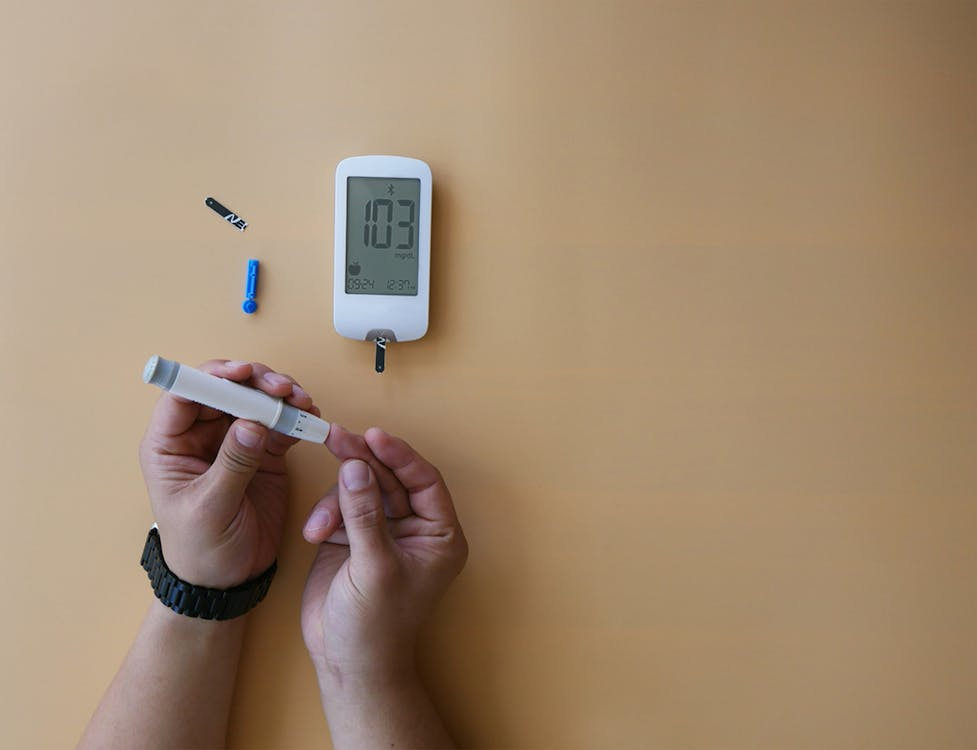
Cortisol raises blood glucose levels by signaling the liver to release stored energy. It also influences immune function and inflammation. In the short term, cortisol helps regulate and contain the stress response.
However, cortisol is meant to rise and fall. Once the threat subsides, levels should decrease. When stress becomes chronic, due to work pressure, financial strain, caregiving, or persistent anxiety, cortisol may remain elevated longer than intended.
Explore What Actually Happens During Inflammation? for more on stress and immune signaling.
Short-Term Stress vs. Chronic Stress
Short-term stress is adaptive. It sharpens focus, increases alertness, and can even enhance performance. Athletes, performers, and public speakers often rely on this temporary activation to perform at their best.
Chronic stress is different. When the stress response remains active for weeks or months, it begins to take a toll on the body. Persistently elevated cortisol can disrupt sleep, increase appetite, alter fat storage patterns, and suppress aspects of immune function.
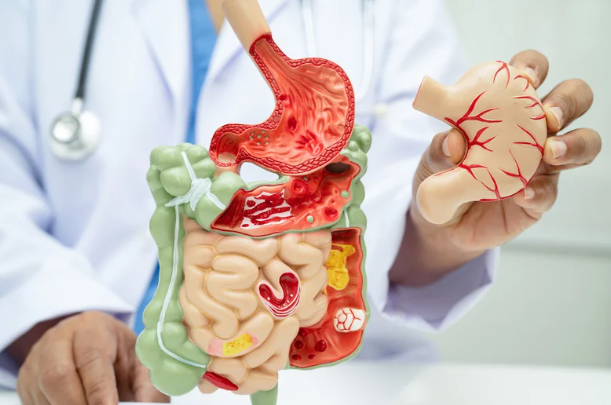
Over time, chronic stress may contribute to high blood pressure, insulin resistance, digestive issues, and mood disturbances. The body is not built to remain in a constant state of vigilance.
Learn How Sleep Cycles Actually Work to understand how sleep helps restore balance.
Effects on the Brain and Emotions
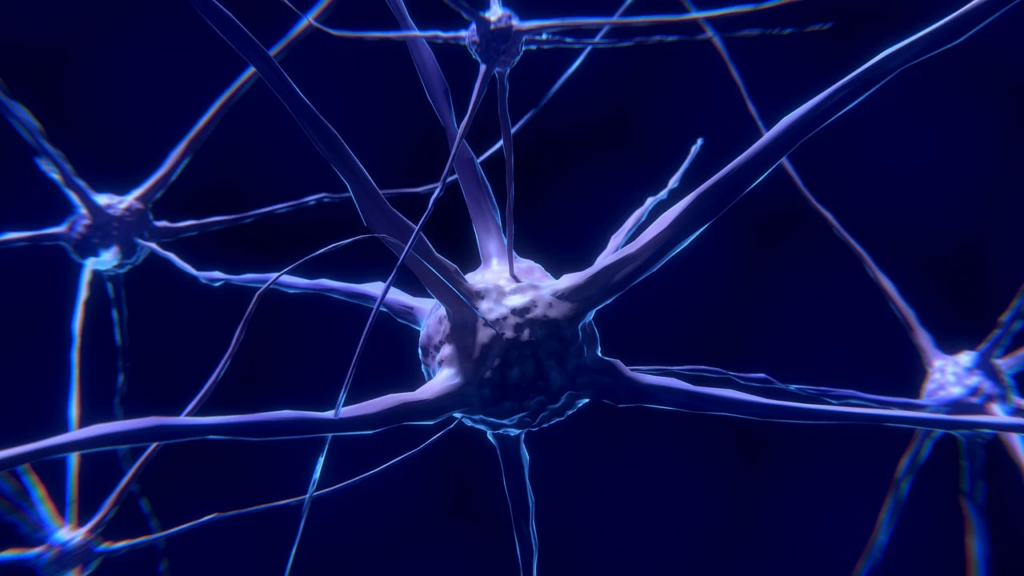
Stress does not just affect muscles and heart rate; it changes brain activity. During acute stress, the amygdala, which processes fear and emotion, becomes more active. At the same time, areas involved in long-term planning and rational decision-making may become less dominant.
This is why people sometimes make impulsive decisions under pressure. The brain prioritizes immediate survival over careful analysis. In ongoing stress, changes in brain signaling can influence mood regulation and increase vulnerability to anxiety or depression.
Sleep disruption often compounds these effects. Stress hormones can interfere with the natural nighttime decline in cortisol, making it harder to fall or stay asleep. Poor sleep then amplifies stress sensitivity the following day, creating a feedback loop.
See The Difference Between Anxiety and Anxiety Disorders for context on anxiety patterns.
Returning to Baseline
The stress response is designed to resolve. The parasympathetic nervous system, sometimes called the “rest-and-digest” system, helps bring the body back to baseline. Heart rate slows. Digestion resumes. Muscles relax.
Practices that promote parasympathetic activation include deep breathing, physical activity, social connection, adequate sleep, and time spent in calming environments. These are not quick fixes, but they help signal safety to the nervous system.
Importantly, stress management does not mean eliminating stress. It means improving recovery. A resilient stress system can activate when needed and deactivate efficiently afterward.
Understanding what happens to your body during stress reframes the experience. The racing heart, tense shoulders, and restless thoughts are not signs of weakness. They are signs that your body is responding as it was designed to. The goal is not to suppress the system, but to support its return to balance.