
Water keeps you alive, but electrolytes help control where that water goes and how it’s used. Understanding the truth about hydration and electrolytes can clarify when plain water is enough and when electrolyte balance truly matters.
Hydration is often reduced to a simple rule: drink more water. But fluid balance in the body is more complex than filling a tank. Your cells rely not only on water, but also on electrolytes, charged minerals that regulate how fluids move and how nerves and muscles function.
What Electrolytes Actually Are
Electrolytes are minerals that carry an electric charge when dissolved in a fluid. The main ones in the body include sodium, potassium, calcium, magnesium, chloride, phosphate, and bicarbonate.
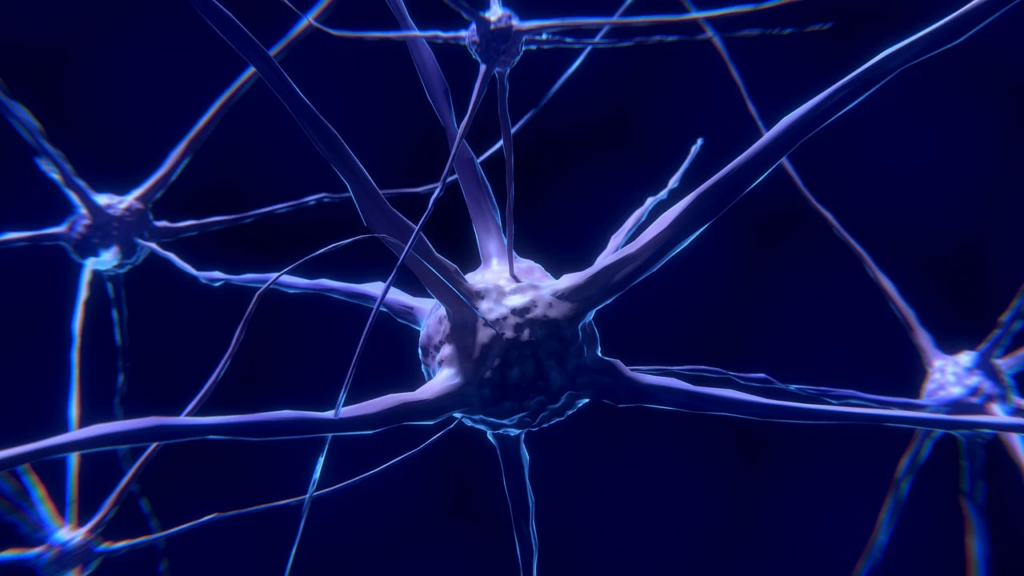
These minerals help maintain fluid balance inside and outside your cells. Sodium primarily regulates fluid outside cells, while potassium primarily regulates fluid inside cells. The delicate balance between the two supports normal nerve impulses and muscle contractions, including the heartbeat.
Electrolytes also help regulate acid-base balance and blood pressure. Because they influence electrical signaling, even small imbalances can cause noticeable symptoms, such as muscle cramps, weakness, irregular heartbeat, or confusion in severe cases.
Explore Do Multivitamins Actually Help? for perspective on how micronutrients support the body.
How the Body Manages Hydration
Your body tightly regulates hydration through hormones and kidney function. When fluid levels drop, the brain triggers thirst. The hormone vasopressin signals the kidneys to conserve water, producing more concentrated urine.
Sodium plays a key role in determining fluid distribution. If sodium levels rise, water shifts to maintain balance. This is why high sodium intake can contribute to fluid retention in some cases. Conversely, losing too much sodium, such as through heavy sweating, can disrupt fluid equilibrium.
Under normal conditions, most people’s kidneys efficiently regulate electrolyte levels. Simply drinking fluids in response to thirst is often sufficient to maintain balance. The body is designed to self-correct within a wide range of daily variation.
Read How Your Liver Processes Toxins to understand how filtration regulates fluids.
When Electrolyte Supplementation Is Necessary
Electrolyte supplementation becomes relevant in the setting of significant fluid loss. This can occur with prolonged intense exercise, especially in hot environments, where sweat losses are high. Sweat contains sodium and smaller amounts of potassium and other minerals.
Illness can also increase risk. Vomiting, diarrhea, or fever may cause rapid fluid and electrolyte depletion. In these situations, oral rehydration solutions designed with balanced sodium and glucose concentrations are more effective than water alone.
However, for typical daily activities or moderate exercise under normal conditions, most people obtain adequate electrolytes through food. Fruits, vegetables, dairy, legumes, and whole foods naturally contain potassium, magnesium, and other essential minerals.
Learn How Dehydration Affects the Body for more on fluid loss symptoms.
The Risks of Overcorrection
While dehydration is a concern, overhydration can also cause problems. Drinking excessive amounts of plain water in a short time can dilute sodium levels in the blood, a condition known as hyponatremia. Though uncommon, it can occur during endurance events when fluid intake greatly exceeds electrolyte replacement.
Similarly, high-dose electrolyte supplements are not inherently better. Excess sodium can raise blood pressure in sensitive individuals. Supplements should match actual need rather than perceived benefit.
Marketing often suggests that everyone requires electrolyte-enhanced drinks daily. In reality, the body’s regulatory systems are effective for most healthy individuals. Electrolyte beverages are tools for specific situations, not a universal requirement.
Check The Role of Fiber in Long-Term Health for insight into nutrition and body balance.
Finding the Right Balance
Hydration is about balance, not extremes. Thirst is generally a reliable guide for healthy adults. Pale yellow urine typically indicates adequate hydration, while darker urine suggests the need for more fluids.
A balanced diet provides most electrolytes required for everyday function. Sodium is abundant in many processed foods, while potassium-rich foods such as bananas, beans, and leafy greens help maintain equilibrium.
The truth about hydration and electrolytes is that they work together as part of a finely tuned system. Water supports circulation and temperature control. Electrolytes regulate electrical activity and fluid distribution. When intake and loss remain in balance, the system functions quietly and efficiently.
Rather than focusing on trends or universal rules, it helps to understand context. Intense exercise, extreme heat, or illness may require additional electrolyte support. In most cases, consistent fluid intake and a nutrient-rich diet are enough to keep the system stable.