
The confusion usually comes from the fact that the same system that helps you recover in the short term can cause problems if it stays switched on too long.
Inflammation is your body’s built-in repair and defense response. Understanding what happens during inflammation helps explain why a cut seals, a sprain swells, or a fever rises when fighting infection. In other words, inflammation is not automatically “bad.” It’s a coordinated biological process designed to protect you, contain damage, and start healing.
That’s why it helps to separate acute inflammation (short, targeted, helpful) from chronic inflammation (long-lasting, often damaging).
Inflammation Is a Protective Alarm System
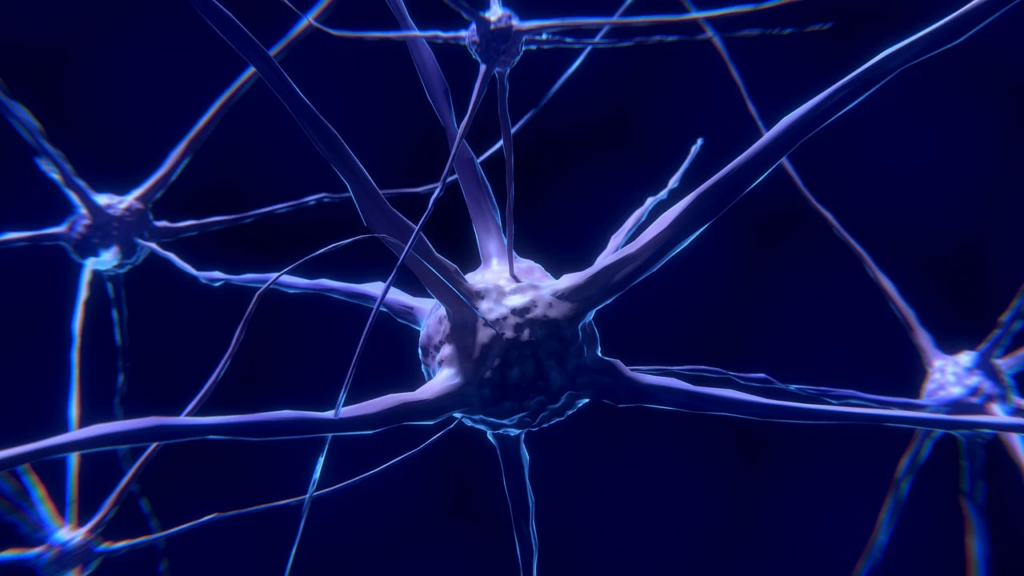
Your immune system is always scanning for signs of trouble. When cells are injured or microbes show up, your body releases chemical messengers, think of them as alarms, that call immune cells to the scene. Those signals also alter how local blood vessels behave, allowing the right tools to arrive quickly.
This “alarm system” is why you see classic signs of inflammation, such as redness, heat, swelling, and pain. They’re not random symptoms. They reflect increased blood flow, fluid shifting into tissues, and nerves becoming more sensitive, so you protect the area while repair is underway.
Explore What Your Immune System Is Doing All Day to understand immune responses.
What Happens in Acute Inflammation
Acute inflammation is the rapid response you get after a cut, a muscle strain, or a cold. Blood vessels widen to deliver more oxygen and nutrients. At the same time, the smallest vessels become leakier for a short period, allowing immune cells and proteins to leave the bloodstream and enter the affected tissue.
Immune cells then do specific jobs. Some act like first responders, killing invading microbes and clearing debris. Others help coordinate the next steps—removing damaged material, preventing the problem from spreading, and setting up tissue repair.
Just as important: acute inflammation has an “off switch.” Once the threat is handled, your body releases signals that calm the response. Fluid gets reabsorbed, cleanup continues, and rebuilding begins. In a healthy process, the area gradually returns to normal function.
Learn What Causes Migraines? for another example of inflammation-related pain.
Acute vs. Chronic Inflammation: The Key Difference
The simplest distinction is timing and control. Acute inflammation is a short-term, well-regulated response to a clear trigger. Chronic inflammation is a longer-term state where inflammatory signals continue, even when there’s no obvious injury you can point to.
Chronic inflammation can develop for many reasons. Sometimes there’s an ongoing trigger, like repeated exposure to an irritant, untreated infection, or persistent tissue stress. Other times, the immune system becomes misdirected, as in autoimmune conditions, where it treats normal tissue as a threat.
Another difference is visibility. Acute inflammation is often easy to notice—swelling, warmth, tenderness. Chronic inflammation may be “quiet,” with symptoms like fatigue, aches, brain fog, or digestive issues that come and go and are easy to blame on a busy life.
See Understanding Autoimmune Disorders for examples of misdirected immune activity.
Why Chronic Inflammation Can Become Harmful
Inflammation involves powerful tools: enzymes, reactive molecules, and immune cell activity meant to destroy threats and break down damaged tissue. Used briefly, those tools help you heal. Used constantly, they can begin to harm healthy structures.
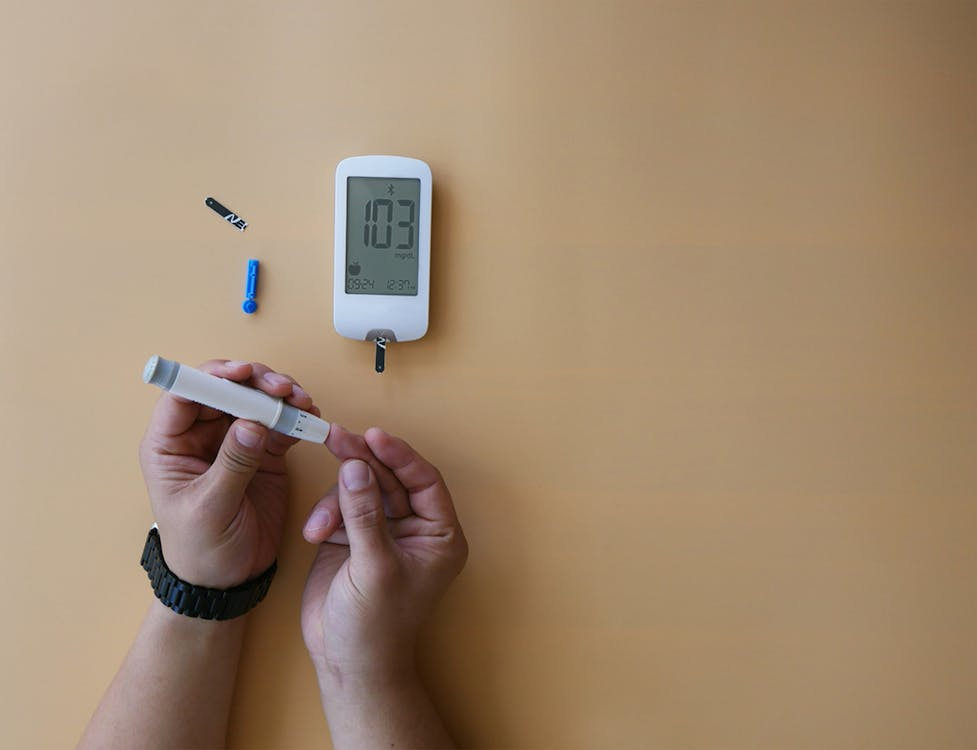
Over time, chronic inflammation can contribute to gradual tissue damage and disrupt normal signaling in the body. For example, ongoing inflammatory signals can interfere with how cells respond to insulin, affect blood vessel function, or keep pain pathways sensitized, creating a loop that keeps the body on alert.
It’s also important to know that chronic inflammation isn’t a single diagnosis. It’s a pattern that can show up alongside many different conditions. That’s why a one-size-fits-all “anti-inflammatory” fix is rarely the best approach. The goal is usually to understand what’s driving the signal in the first place.
Explore What Happens to Your Body During Stress for related effects on inflammatory signaling.
What Helps Your Body Resolve Inflammation
A helpful mindset is that the goal isn’t to eliminate inflammation; it’s to help the body complete the full cycle: respond, repair, and resolve. That “resolution” phase depends on basics that are easy to overlook, especially when life is stressful.
Sleep is a major regulator of immune balance. So is regular movement, which improves circulation and helps normalize immune signaling. Nutrition matters too, because your body needs building blocks for repair and antioxidants to manage the byproducts of immune activity.
Stress management is another piece that people underestimate. Short-term stress responses are normal, but when stress is constant, your body can stay in a more inflammatory state longer than it should. If symptoms persist or worsen, it’s worth discussing them with a clinician to look for underlying causes rather than guessing.