
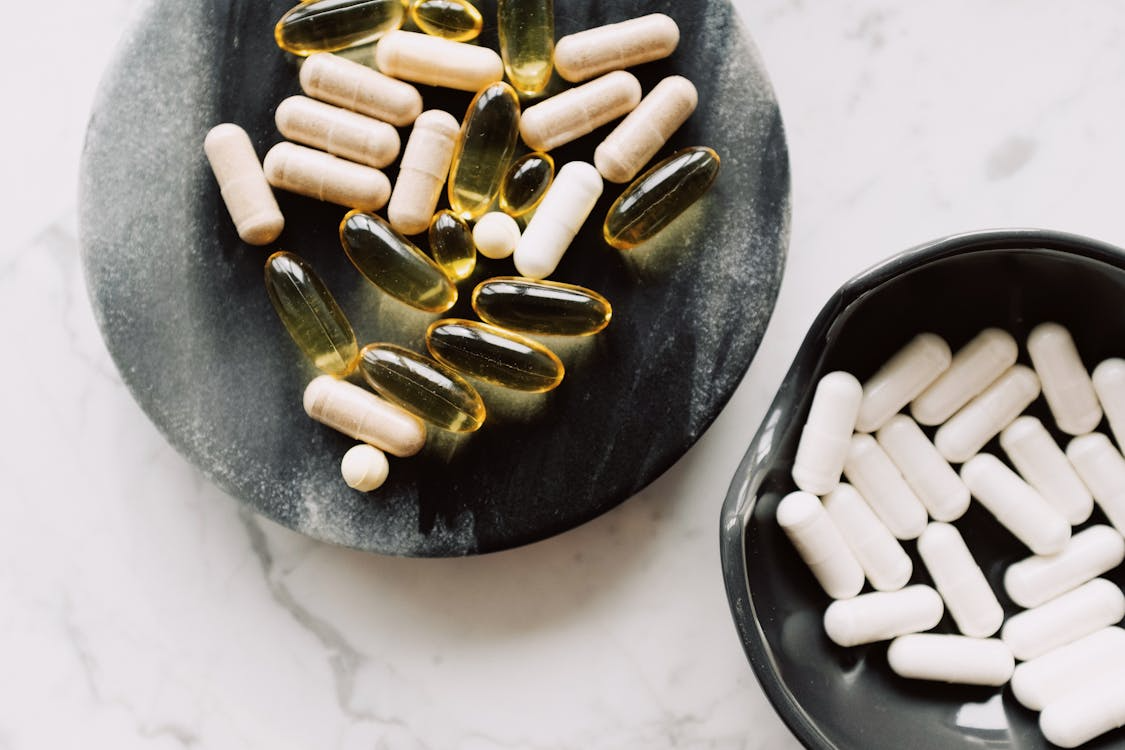
To determine if probiotics really work, it helps to understand what probiotics are and how they interact with the gut microbiome. The science is more nuanced than marketing often suggests.
Probiotics are marketed as a simple way to improve digestion, strengthen immunity, and even boost mood. Shelves are lined with capsules, powders, and drinks promising to “balance your gut.” But do probiotics really work, and if so, for whom?
What Probiotics Actually Are
Probiotics are live microorganisms, usually bacteria or yeast, that, when consumed in adequate amounts, may provide health benefits. They are often strains of Lactobacillus, Bifidobacterium, or Saccharomyces.
Your gut already contains trillions of microbes forming the microbiome. Probiotics are intended to influence this ecosystem by adding specific strains.
However, not all probiotics are the same. Different strains have different effects. A product labeled “probiotic” does not guarantee universal benefits across all health conditions.
Explore How Your Gut Microbiome Really Works for more on gut bacteria.
How Probiotics May Help
Certain probiotics have been shown to support digestive health. For example, specific strains may reduce the duration of infectious diarrhea or lower the risk of antibiotic-associated diarrhea.
Some evidence supports the use of probiotics in managing symptoms of irritable bowel syndrome (IBS), though results vary widely across individuals and strains.
Probiotics may also influence gut immune responses, as a significant portion of the immune system resides in the gut. However, effects are often modest and strain-specific rather than broad and dramatic.
Read What Your Immune System Is Doing All Day for more on gut-immune system interactions.
Limits of the Evidence
One common misconception is that probiotics permanently “repopulate” the gut. In most cases, probiotic strains do not permanently colonize the microbiome. They may temporarily influence microbial activity during consumption, but their presence often diminishes once supplementation stops.
Research quality also varies. Some studies are small or funded by manufacturers. While certain conditions show clear benefit from specific strains, many general claims, such as improving overall health in otherwise healthy individuals, remain less conclusive.
Additionally, the microbiome is highly individual. What works for one person may not produce the same effect in another.
See The Science of Habit Formation in Health for context on routines that shape wellness.
Food vs. Supplements
Fermented foods such as yogurt, kefir, kimchi, sauerkraut, and miso naturally contain live microbes. These foods may support microbial diversity, especially when consumed regularly.
Unlike supplements, fermented foods also provide nutrients and fiber that feed beneficial bacteria already present in the gut. Fiber acts as a prebiotic—fuel for existing microbes.
For many people, a diet rich in diverse plant foods may have a greater long-term impact on gut health than relying solely on probiotic capsules.
Check The Truth About Hydration and Electrolytes for related nutrition and balance insights.
Who May Benefit Most
Probiotics may be particularly helpful in specific situations. After antibiotic treatment, certain strains can reduce the risk of diarrhea. Individuals with IBS or inflammatory bowel conditions may benefit from targeted strains under medical guidance.
They are not a cure-all. People with compromised immune systems should consult healthcare providers before taking probiotic supplements, as rare complications can occur.
Understanding whether probiotics work depends on context. They are tools, not universal solutions.
The strongest evidence of probiotic research supports the use of strain-specific approaches for defined conditions. For general wellness, maintaining a fiber-rich, varied diet appears more consistently beneficial for supporting a resilient microbiome.
Probiotics can influence gut health, but their effects are typically subtle and situation-dependent. Rather than expecting a dramatic transformation, it helps to see them as one component within a broader system shaped by diet, lifestyle, and overall health.