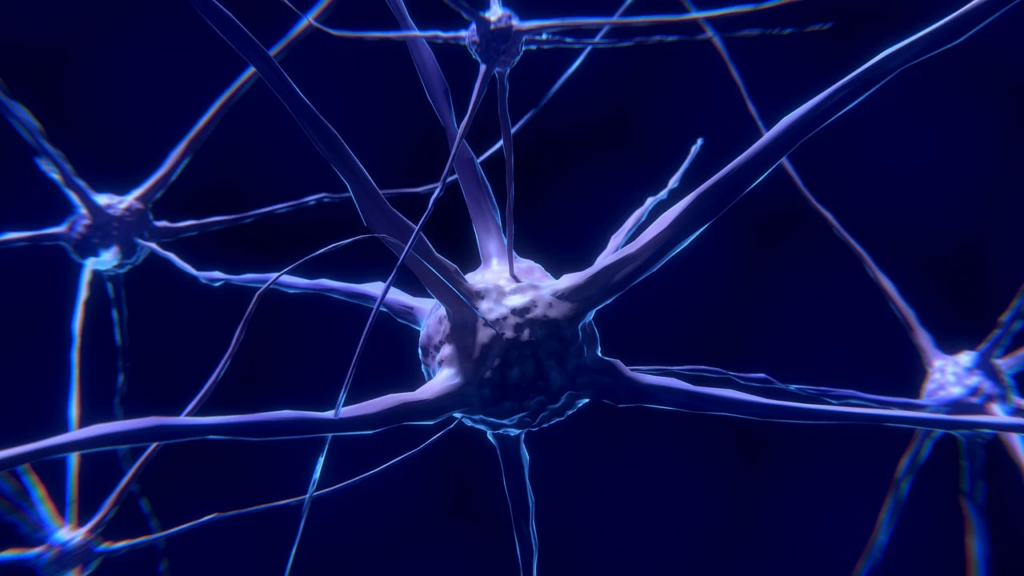

Hormones don’t shout; they circulate. Understanding how hormones act as chemical messengers explains how they alter cell behavior.
Your body runs on communication. Every second, messages travel between organs, tissues, and cells, coordinating everything from hunger and sleep to stress and reproduction. One of the most important communication systems in your body is the endocrine system, which uses hormones as messengers.
Hormones are chemical signals released into the bloodstream by specialized glands. Unlike nerve signals, which move quickly and act locally, hormones travel more slowly and can influence tissues throughout the entire body.
How Hormones Travel and Deliver Messages
Hormones are produced by endocrine glands such as the thyroid, adrenal glands, pancreas, ovaries, and testes. Once released into the bloodstream, they circulate until they reach cells that have matching receptors, specialized structures that recognize specific hormones.
You can think of hormones as keys and receptors as locks. Only the right key fits the right lock. When a hormone binds to its receptor, it triggers a cascade of events inside the cell. Depending on the hormone, this may alter gene expression, increase or decrease enzyme activity, or change how the cell uses energy.
Some hormones act quickly, such as adrenaline during a stress response. Others act more gradually, like thyroid hormones that regulate metabolic rate over time. The speed and intensity of the effect depend on both the hormone itself and the target tissue’s sensitivity.
Explore How Muscles Grow and Repair Themselves to see how hormones influence tissue repair.
Regulating Energy, Mood, and Sleep
Hormones play a central role in regulating metabolism and energy use. Insulin, produced by the pancreas, helps cells absorb glucose from the bloodstream. Thyroid hormones influence how quickly cells convert nutrients into energy. Cortisol helps mobilize fuel during stress.
Hormonal shifts also influence mood. While neurotransmitters act directly in the brain, hormones such as estrogen, progesterone, and testosterone interact with brain chemistry. This is why hormonal fluctuations during menstrual cycles, pregnancy, or menopause can influence emotional states.
Hormones also regulate sleep-wake cycles. Melatonin, produced by the pineal gland, signals to the body that it’s time to rest. Cortisol levels rise in the morning to promote alertness. These rhythms are guided by your internal clock, known as the circadian rhythm, which responds to light exposure and daily patterns.
Read How Sleep Cycles Actually Work for more on circadian rhythms.
Feedback Loops Keep Systems Balanced
Hormones operate within feedback loops that help maintain stability. One of the most well-known examples involves the hypothalamus, pituitary gland, and thyroid. The brain signals the pituitary gland to release a hormone that stimulates the thyroid. As thyroid hormone levels rise, they signal the brain to reduce stimulation. This negative feedback loop prevents overproduction.
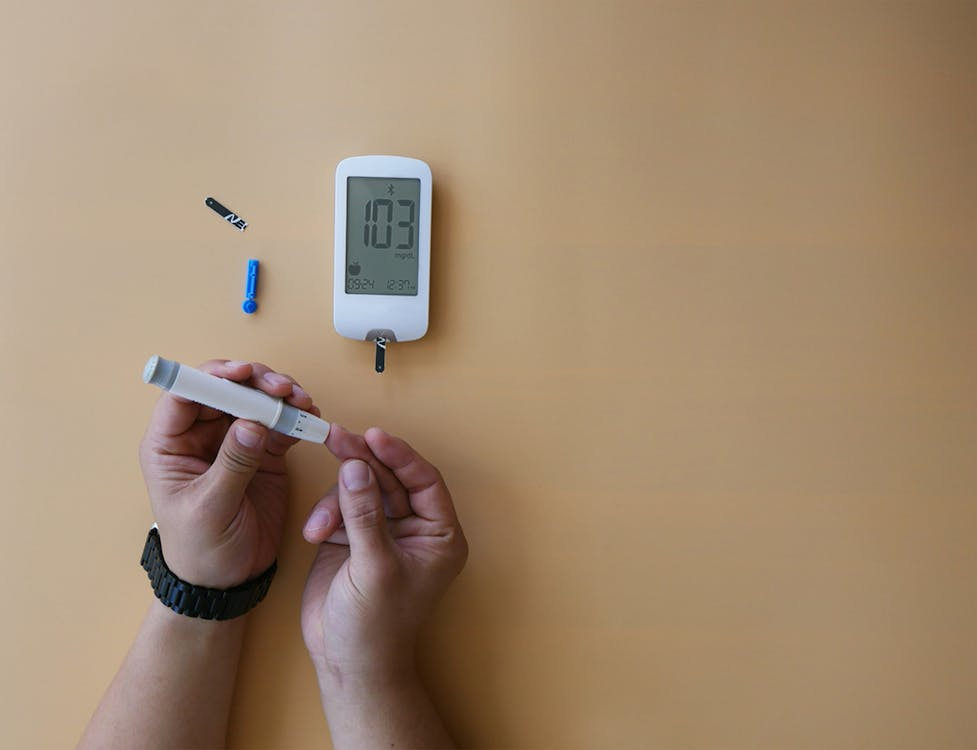
These feedback systems allow your body to self-correct. If blood sugar rises after a meal, insulin is released to lower it. When levels normalize, insulin production decreases. This constant monitoring and adjustment process, known as homeostasis, maintains internal conditions within a healthy range.
Problems arise when feedback loops malfunction. Hormone levels may become too high or too low due to gland disorders, autoimmune conditions, tumors, or chronic stress. Because hormones influence multiple systems at once, imbalances can produce wide-ranging symptoms.
See The Role of Insulin in Blood Sugar Control for another example of hormonal regulation.
Hormones and the Stress Response
One of the most dramatic examples of hormonal action is the stress response. When your brain perceives a threat, it signals the adrenal glands to release adrenaline and cortisol. Adrenaline increases heart rate and blood pressure almost instantly. Cortisol sustains the response by ensuring energy is available.
In short bursts, this response is protective. It prepares you to react quickly. However, when stress becomes chronic, elevated cortisol can disrupt sleep, digestion, immune function, and mood regulation.
This highlights an important point: hormones are not inherently good or bad. Their impact depends on context, duration, and balance. The same hormone that protects you in an emergency can contribute to health problems if regulation fails.
Browse The Difference Between Anxiety and Anxiety Disorders for more on mental health responses.
A System Built on Precision
Hormones act as chemical messengers with remarkable precision. Tiny changes in concentration can produce meaningful effects. Their influence extends across nearly every organ system, coordinating growth, reproduction, metabolism, and adaptation to environmental changes.
Understanding hormone signaling helps explain why symptoms rarely exist in isolation. Fatigue, mood changes, weight shifts, and sleep disturbances often reflect broader communication patterns within the body.
Rather than operating independently, hormones integrate with the nervous and immune systems, forming a network that keeps your body responsive and adaptable. When communication flows smoothly, the system maintains balance. When signals misfire, the effects can ripple outward.
Hormones are not mysterious forces controlling you from the shadows. They are messengers that respond to signals, deliver instructions, and help your body maintain stability in a constantly changing world.