Understanding how neurotransmitters work helps move the conversation beyond oversimplified ideas about “chemical imbalances.”
Your mood is not created out of thin air. It reflects ongoing communication between billions of nerve cells inside your brain. That communication happens through chemicals called neurotransmitters, messengers that carry signals from one neuron to another.
Neurotransmitters do not determine happiness or sadness in a simple, one-to-one way. Instead, they influence patterns of brain activity that shape how you feel, think, and respond to the world.
How Neurotransmitters Send Signals
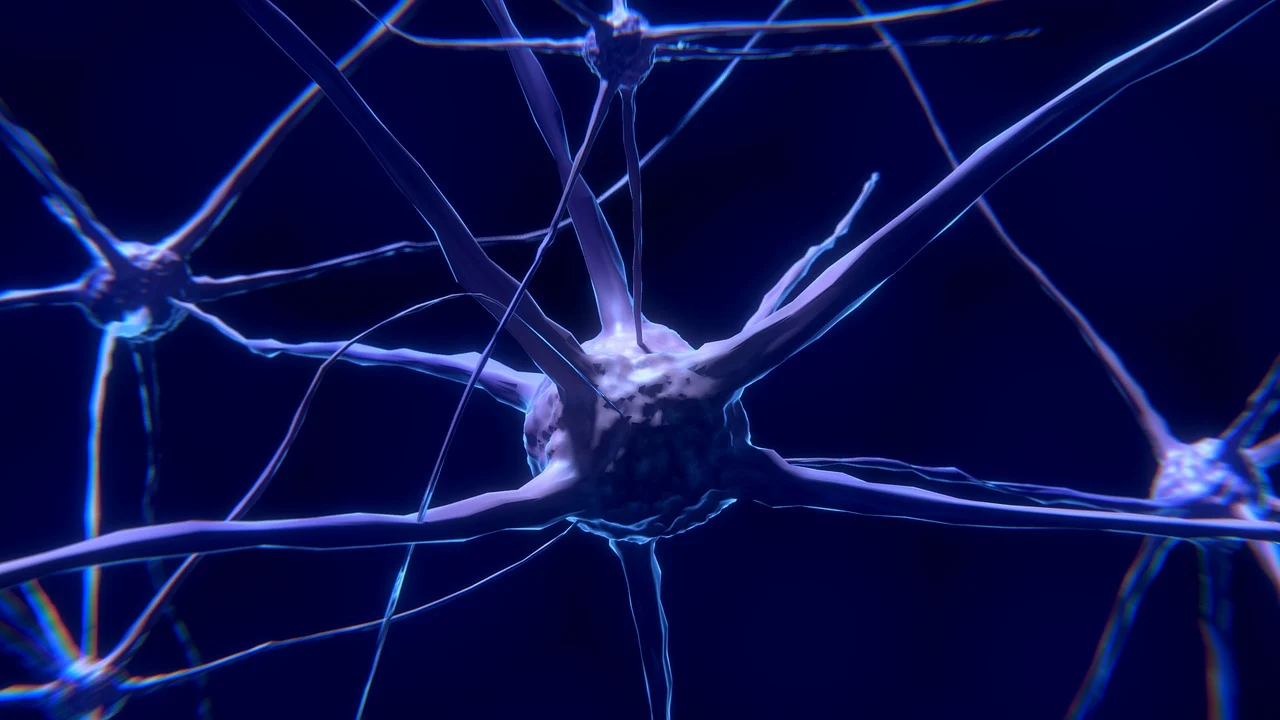
Neurons do not physically touch each other. Between them is a tiny gap called a synapse. When an electrical signal travels down a neuron, it triggers the release of neurotransmitters into that gap.
These chemical messengers cross the synapse and bind to receptors on the next neuron. Depending on the type of neurotransmitter and receptor involved, the signal may either stimulate or inhibit activity in the receiving cell.
After delivering their message, neurotransmitters are either broken down by enzymes or reabsorbed into the original neuron in a process called reuptake. This tight regulation keeps signaling precisely and prevents constant overstimulation.
Explore What Happens During Digestion From Start to Finish for another complex signaling process.
Serotonin and Emotional Stability
Serotonin is often associated with mood regulation, but its role is broader. It influences appetite, sleep, digestion, and emotional processing. Serotonin pathways connect multiple regions of the brain, helping coordinate emotional responses.
Low serotonin activity has been linked to depression and anxiety in some individuals. However, mood disorders are not caused by serotonin levels alone. Brain circuitry, life experiences, genetics, inflammation, and stress all interact.
Many antidepressant medications work by altering serotonin reuptake, increasing its availability in the synapse. This suggests serotonin plays a meaningful role, but it is part of a complex system rather than a single switch controlling mood.
Read What Causes Acid Reflux? for more on gut-related body responses.
Dopamine and Motivation
Dopamine is commonly described as the “reward chemical,” but it is more accurately linked to motivation and reinforcement. It helps signal when something is important or worth pursuing.
When you achieve a goal, anticipate a reward, or experience novelty, dopamine pathways activate. This system supports learning by reinforcing behaviors that lead to positive outcomes.
Too little dopamine activity may contribute to low motivation or difficulty experiencing pleasure. Excessive or dysregulated dopamine signaling is associated with conditions such as addiction or certain psychiatric disorders. Balance, again, is key.
See What Happens When You Cut Out Sugar for related mood and energy shifts.
Other Key Players in Mood Regulation
Norepinephrine influences alertness and focus. It plays a role in the stress response, preparing the brain for action. Imbalances may contribute to anxiety or concentration difficulties.
Gamma-aminobutyric acid (GABA) acts as the brain’s primary inhibitory neurotransmitter. It helps calm neural activity. Reduced GABA function may be associated with heightened anxiety.
Glutamate, the primary excitatory neurotransmitter, supports learning and memory. However, excessive glutamate activity can overstimulate neurons, which is why regulation is essential.
Mood reflects the coordinated activity of these systems. No single neurotransmitter operates independently. They interact continuously within complex neural networks.
Learn How Strength Training Supports Longevity for another lifestyle-related health factor.
Beyond Chemistry Alone
While neurotransmitters are crucial, they do not act in isolation from life experience. Chronic stress can alter neurotransmitter signaling. Sleep deprivation affects serotonin and dopamine pathways. Physical activity can enhance neurotransmitter balance.
Inflammation and gut health may also influence brain chemistry through immune and hormonal pathways. This interconnectedness highlights why mental health is shaped by both biology and environment.
Understanding how neurotransmitters influence mood helps clarify that emotions are neither purely psychological nor purely chemical. They arise from dynamic communication between brain cells shaped by experience, lifestyle, and physiology.
Rather than reducing mood to a single molecule, it is more accurate to view neurotransmitters as part of an adaptive system. They help your brain interpret, respond, and adjust to changing circumstances. When signaling remains balanced, mood regulation tends to be more stable. When communication falters, emotional symptoms may emerge.
Mood is not random. It is the product of continuous neural dialogue, subtle, complex, and constantly evolving.